
Oil prices rose when the market opened Sunday as traders absorbed the news of the stalled ceasefire talks.
West Texas Intermediate, the U.S.-produced light, sweet crude, was selling for $96.50 a barrel Sunday, up 2% since the market closed on Friday. The price was 44% higher than before the start of the Iran war, when oil was selling for about $67 a barrel.
Brent crude, the international standard, was trading at $107.75 per barrel Sunday, up about 3% since Friday and 48% since the war began, when oil was selling for $72 a barrel.
Oil prices have risen steadily since the war began and tankers full of crude became stranded in the Persian Gulf, unable to safely transit through the Strait of Hormuz.
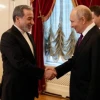
Iran 's foreign minister briefly visited Islamabad again on Sunday as Pakistan's political and military leadership scrambled to reignite ceasefire negotiations between Tehran and Washington, but U.S. President Donald Trump said they could talk by phone instead.
Abbas Araghchi had left Pakistan’s capital late the previous day, creating confusion around an expected second round of talks there, but he returned before continuing on to Moscow on Sunday, Iranian state media said. He had been in Oman, which previously mediated talks and is on the other side of the strategic Strait of Hormuz.
The White House last week said it would dispatch envoys Steve Witkoff and Jared Kushner to Islamabad to follow up on historic face-to-face talks earlier this month. But shortly after Araghchi's departure Saturday, Trump said he had called off the mission because of a lack of progress with Iran.
“If they want, we can talk but we’re not sending people," Trump told Fox News on Sunday. He said earlier on social media: “All they have to do is call!!!”
Indirect talks between the two sides were ongoing, two Pakistani officials said, speaking on condition of anonymity because they were not authorized to speak to the media.
Trump last week indefinitely extended the ceasefire the U.S. and Iran agreed to on April 7 that has largely halted the fighting that began with joint U.S.-Israeli strikes on Feb. 28. But a permanent settlement remains elusive in the war that has killed thousands of people and shaken the global economy.
 Prev Post :