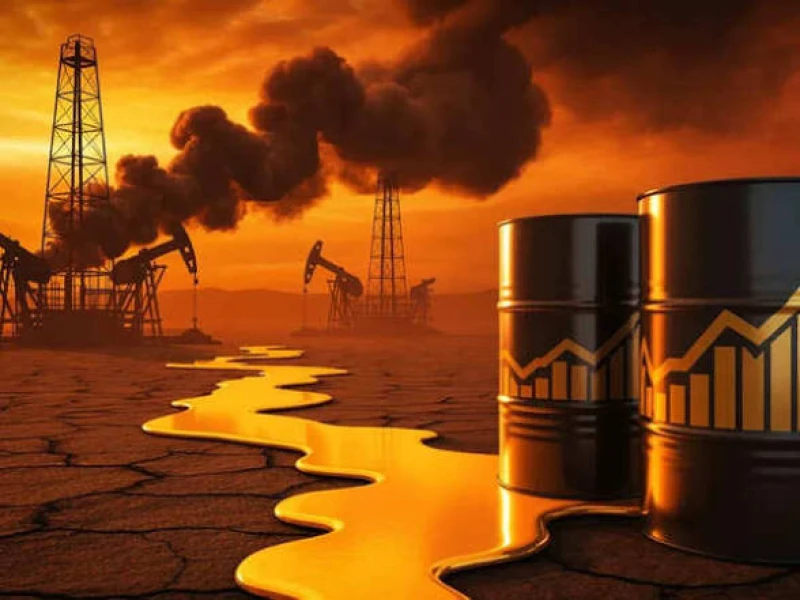
Russia has signalled readiness to offset any global oil supply disruptions triggered by escalating tensions in the Middle East, with Foreign Minister Sergey Lavrov saying Moscow can support China and other partners if Iranian exports are curtailed.
Speaking during a two-day official visit to China, Lavrov said Russia has the capacity to “make up for resource shortages” faced by countries willing to cooperate with Moscow on “an equal and mutually beneficial basis.”
His remarks come as the United States intensifies efforts to restrict Iran’s oil flows following renewed conflict in the region. US President Donald Trump recently announced a blockade of the Strait of Hormuz—a key maritime chokepoint that handles about 20% of global oil trade—after diplomatic efforts with Iran failed.
Iran responded by declaring restrictions on “enemy ships” and demanding recognition of its sovereignty over the waterway, including the right to impose transit tolls.
Lavrov accused Washington and its ally Israel of targeting Iran partly to influence global oil markets, alleging the US is attempting to reshape energy flows while backing Israeli military actions.
“Russia and China… have all the necessary capabilities… to avoid dependence on such aggressive adventures that undermine the global economy and energy markets,” he said.
Meanwhile, US Treasury Secretary Scott Bessent warned that China would be unable to continue importing Iranian crude as enforcement tightens. He said the naval blockade aims to prevent vessels from transporting Iran-linked oil through the Hormuz route.
China has been the largest buyer of Iranian crude, reportedly accounting for more than 90% of Iran’s oil exports and roughly 8% of China’s total annual imports.
The US has reportedly deployed over 10,000 troops and multiple naval vessels to enforce the blockade, escalating tensions in the region despite a recently announced two-week ceasefire between Washington and Tehran.
Although the truce initially raised hopes of easing hostilities, both sides have since exchanged accusations over unmet conditions, keeping global energy markets on edge.
 Prev Post :