Oil prices jumped above $114 per barrel on Monday for the first time since 2022 as the escalating Iran war threatened energy production and shipping routes in the Middle East.
Brent crude, the international benchmark, rose past $114 after trading resumed on the Chicago Mercantile Exchange, marking a 23% increase from Friday’s closing price of $92.69. U.S. benchmark West Texas Intermediate (WTI) was also trading near $114 per barrel, about 25% higher than its Friday close of $90.90.
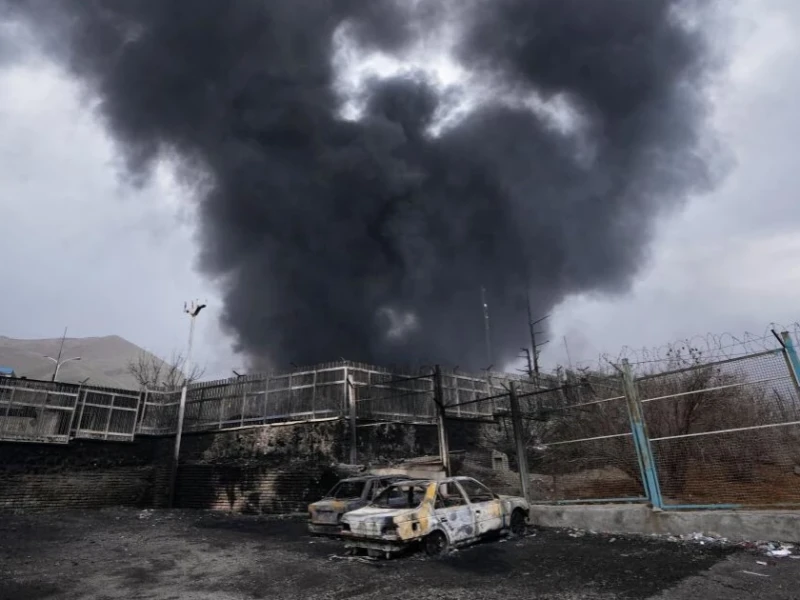
The surge came as the conflict’s impact widened. Bahrain accused Iran of striking a desalination plant vital to drinking water supplies, while Israeli overnight strikes set oil depots in Tehran on fire.
Last week alone, U.S. crude prices rose 36% and Brent crude climbed 28% as the war, now in its second week, spread to areas critical for global oil and gas production and transport.
About 15 million barrels of crude — roughly 20% of the world’s supply — typically pass daily through the Strait of Hormuz, according to Rystad Energy. However, threats of Iranian missile and drone attacks have largely halted tanker traffic through the strategic route.
Major producers such as Iraq, Kuwait and the UAE have cut output as export disruptions filled storage tanks. Meanwhile, Iran, Israel and the United States have targeted energy facilities since the war began, raising fears of supply shortages.
The price spike has unsettled financial markets, with Tokyo’s Nikkei 225 plunging more than 7% early Monday. In the United States, gasoline rose to $3.45 per gallon Sunday, about 47 cents higher than a week earlier, according to AAA. Analysts warn sustained prices above $100 per barrel could strain the global economy.
 Prev Post :