
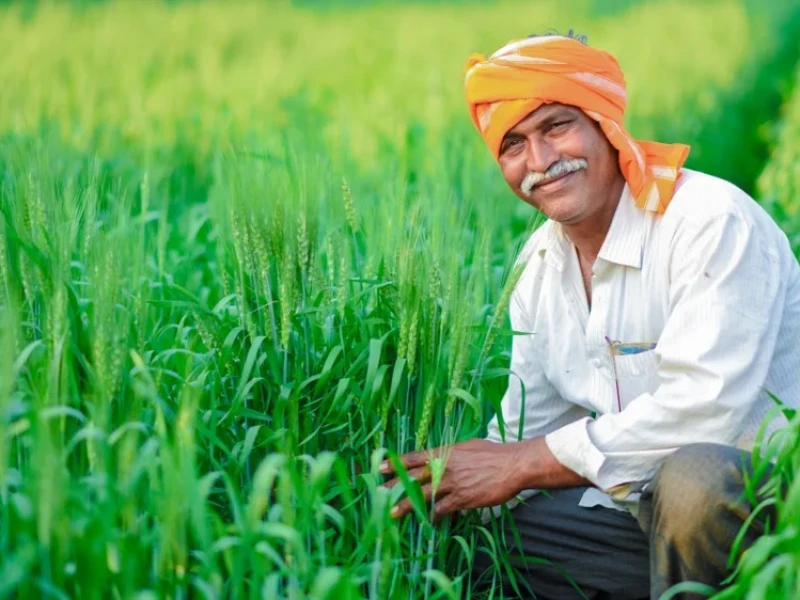
Agriculture Minister Mohammad Amin Ur Rashid on Monday said the government will launch an Agri Card shortly to create a comprehensive database of farmers and bring them under structured support schemes.
Speaking at a workshop on the progress of the Livestock and Dairy Development Project held at a city hotel, the minister said the country currently lacks accurate and coordinated data on the actual number of farmers and their socio-economic conditions.
“Once introduced, the Agri Card will help address this information gap and ensure that farmers receive benefits in a more organised and transparent manner,” he said.
Highlighting the importance of agriculture, Amin Ur Rashid said 70–80 percent of the country’s population is directly or indirectly dependent on the sector.
He noted that the BNP had given the highest priority to agriculture in its election manifesto and that the government would soon take multifaceted initiatives to strengthen the sector.
The minister also said the government will examine why animal feed prices remain high despite large-scale grass production in the country. “It is necessary to investigate the reasons behind the high prices of animal feed. Problems will be identified from the field level and realistic solutions adopted so that farmers and livestock rearers can access feed at fair prices and reduce production costs.”
State Minister Sultan Salahuddin Tuku said the government has undertaken effective measures to build a stronger and more sustainable agriculture-based economy. “Under the leadership of Prime Minister Tarique Rahman, various plans are being implemented to ensure overall development in the agriculture sector.”
“To support small farmers, the government has waived Tk 10,000 crore in agricultural loans, easing financial pressure and encouraging production. Work on introducing the Agri Card is also underway in line with the election pledge, which will help build a reliable database and make government assistance more effective,” the state minister added.
The workshop was informed that 475 Mobile Veterinary Clinics (MVCs) have been procured nationwide to deliver livestock services at farmers’ doorsteps. These clinics are now operating in almost all upazila livestock offices, enabling farmers in remote areas to access prompt treatment and advisory services.
Under the Livestock and Dairy Development Project (LDDP), Livestock Farmers’ Field Schools (LFFS), training programmes, vaccination drives, disease surveillance, artificial insemination and farmer profiling activities have been strengthened.
Financial inclusion of farmers has also been ensured through bank account opening and cooperative savings initiatives, integrating them into the formal economic system.
So far, 135 wet markets have been constructed and handed over under the project. In addition, construction of modern district slaughterhouses in 13 district towns is underway to strengthen safe and hygienic meat supply systems.
 Prev Post :