
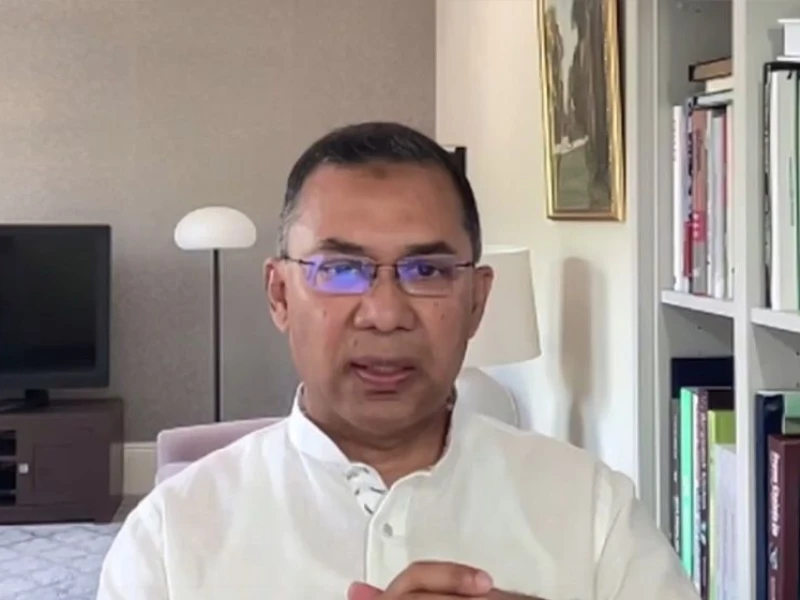
Corruption continues to cripple the daily lives of millions in Bangladesh — from jobseekers and farmers to families seeking healthcare and entrepreneurs struggling to survive — BNP Acting Chairman Tarique Rahman said in a post from his verified Facebook profile on Tuesday morning.
He said International Anti-Corruption Day serves as a reminder of Bangladesh’s long struggle against graft and the periods when the country made “real progress,” especially under BNP governments.
Tarique Rahman highlighted that early governance reforms under Ziaur Rahman prioritised administrative discipline, clean public service and economic reforms that reduced gatekeeping and discretionary power. Later, the administrations of Khaleda Zia strengthened institutions through modern procurement rules, financial administration laws, tighter audits and improved oversight mechanisms.
A major milestone, he said, was the establishment of the Anti-Corruption Commission (ACC) in 2004 as an independent statutory body, replacing the Bureau of Anti-Corruption. This move, praised by the World Bank and ADB, aligned Bangladesh with global standards by granting the ACC independent investigative and prosecutorial authority.
Even Transparency International Bangladesh (TIB), despite methodological reservations, reported improvement during that period, with the CPI score rising from 1.2 in 2002 to 1.7 in 2005. Transparency International’s Global Corruption Barometer (2003) found that 66% of Bangladeshis believed corruption had decreased — a reflection of reforms that enhanced clarity and reduced discretion, he noted.
Tarique said BNP takes pride in key achievements such as stronger financial governance, early procurement reforms, market liberalisation, decentralisation, and civil service improvements — arguing that BNP remains the only party to make “sustained progress” in reducing corruption.
Looking ahead, he laid out BNP’s priorities for restoring integrity in governance: ensuring full institutional independence; open procurement and real-time audits; judicial and policing reforms; widespread digitisation of services; whistleblower protection; integrity-focused education; and stronger financial oversight through empowered parliamentary scrutiny.
He warned that fighting corruption will be an uphill battle after years of systemic abuse but said Bangladesh’s history proves that progress is achievable. “With commitment, discipline, and public support, meaningful reform can return,” he said, adding that BNP is prepared to lead that fight again if entrusted by the people.
-1765215443.webp) Prev Post :
Prev Post :
-1765262427.webp)