
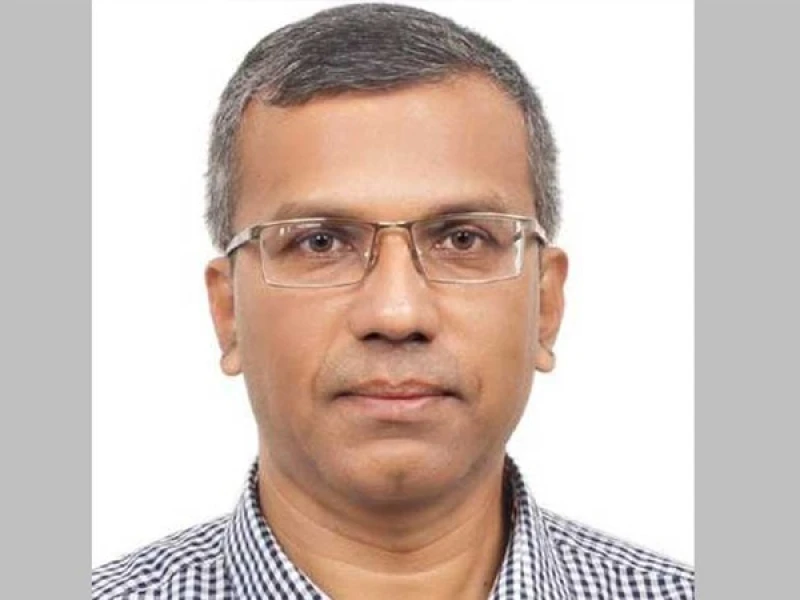
Bangladesh Bank Governor Md Mostaqur Rahman on Monday stressed the need for greater focus on cottage, micro, small and medium enterprises (CMSMEs) and the agriculture sector to boost economic growth and create employment.
The governor made the remarks when a Dhaka Chamber of Commerce and Industry (DCCI) delegation, led by its President Taskeen Ahmed, paid a courtesy call on him at the central bank headquarters in Motijheel.
The governor said the economy has become overly dependent on a limited number of products, services and export markets in recent years, underscoring the urgency of diversification through CMSMEs and agro-based sectors.
“This will help stimulate the domestic economy and generate employment,” he said, adding that high logistics and product management costs remain key drivers of persistent inflation.
Highlighting broader macroeconomic challenges, the governor noted that Bangladesh’s GDP growth has been below expectations, affecting both foreign and domestic investment inflows. “There is no alternative to reforming business and trade policies and reducing the cost of doing business.”
During the meeting, DCCI President Taskeen Ahmed expressed concern over the slowdown in private sector credit growth, which has declined to 6.03 percent—the lowest in 22 years.
Taskeen said the current policy rate of 10 percent has pushed lending rates up to around 16–17 percent, reflecting a liquidity crunch in the banking system and making financing increasingly costly and less accessible, particularly for SMEs and manufacturing industries.
To ease the situation, Taskeen proposed a gradual reduction in the policy rate to lower borrowing costs and encourage private investment.
He also suggested introducing subsidised credit facilities for priority sectors, including manufacturing, export-oriented industries and SMEs.
He further noted that a wide spread between lending and deposit rates—exceeding 5 percent—has eroded investor confidence and contributed to a decline in private investment.
Emphasising the importance of restoring confidence in the financial sector, the DCCI president called for stronger governance in banking and financial institutions.
He also raised concerns over recent changes in loan classification policy, where the timeframe has been reduced from nine months to three months, saying it has added pressure on businesses already grappling with high costs, energy shortages and weak demand.
In this context, he proposed extending the loan classification period to at least six months and reconsidering loan rescheduling facilities for unintentional defaulters.
DCCI Senior Vice President Razeev H Chowdhury, Vice President Md Salem Sulaiman, board members and senior officials of Bangladesh Bank were present at the meeting.
 Prev Post :