
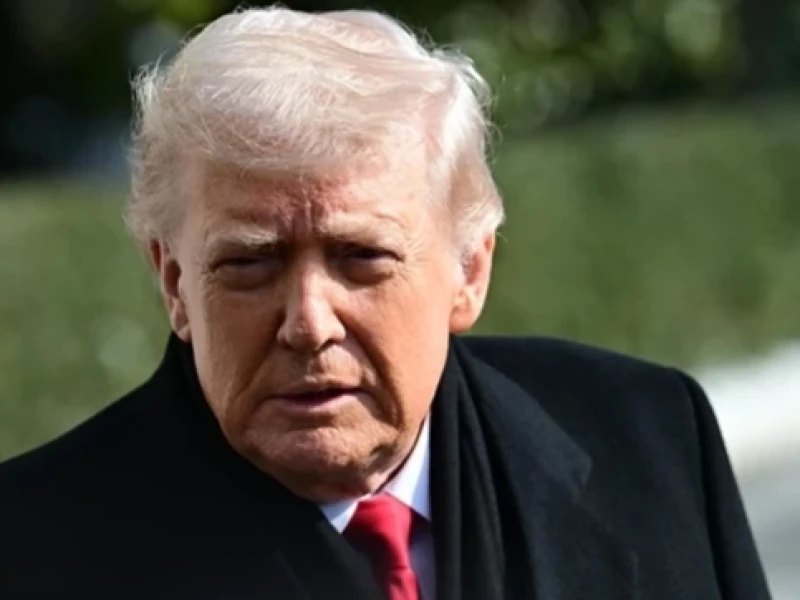
The Pentagon announced Friday that the United States will remove around 5,000 troops from Germany within the next six to twelve months, following through on President Donald Trump’s earlier warning. The decision comes amid growing tensions between Washington and Berlin, particularly after German Chancellor Friedrich Merz criticized the U.S. approach to the war with Iran and described the country as being “humiliated” by Iranian leadership.
According to Pentagon spokesman Sean Parnell, the move is based on a comprehensive review of U.S. military positioning in Europe, taking into account operational needs and current conditions. Germany currently hosts key American military installations, including major command headquarters, Ramstein Air Base, and a military hospital in Landstuhl. About 36,000 U.S. troops are stationed there, meaning the withdrawal represents roughly 14% of the total.
The plan has sparked immediate criticism from Democratic lawmakers and defense experts, who argue it could weaken U.S. alliances and benefit Russia. Senator Jack Reed warned that the decision signals instability in U.S. commitments to its allies and urged the president to reconsider before causing lasting damage to national security. Analysts also noted that the U.S. presence in Europe plays a critical role in deterring Russian aggression and enabling operations in nearby regions.
Trump did not address questions about the withdrawal as he departed Florida on Friday. He has long criticized NATO allies for not contributing enough to joint defense efforts and has repeatedly suggested reducing U.S. troop levels in Germany. A similar proposal during his first term was never implemented and was later canceled by President Joe Biden.
European allies have anticipated potential troop reductions since Trump returned to office, especially as Washington has signaled that Europe may need to take greater responsibility for its own security. Military experts say concerns now extend beyond troop numbers to possible redeployment of key defense systems, such as missile defenses, from Europe to the Middle East.
 Prev Post :